

How connected systems are becoming central to evidencing inclusion, supporting SENDCOs and meeting the demands of a new accountability era.
Schools across the UK are entering a new era of SEND accountability. Reform conversations, evolving inspection priorities and renewed focus on inclusive practice are raising the bar not just for the quality of support offered to pupils with additional needs, but for how that support is documented, demonstrated and delivered consistently across teams.
For SENDCOs, safeguarding leads, pastoral staff and senior leaders, the pressure is real. Expectations are rising at the same time as capacity is shrinking, budgets are tightening and the volume of pupils requiring tailored support continues to grow. The challenge is no longer simply identifying need; it is evidencing impact, joining up communication and creating a sustainable operating model that holds together under scrutiny.
This article looks at what the SEND reform landscape means for schools in practice and why connected, evidence-led systems are emerging as a defining feature of well-prepared inclusion strategies.
- The SEND Accountability Shift
The direction of travel is clear. Recent SEND reform discussions, including ongoing work around EHCP processes, inclusion standards and earlier intervention, all point toward a system that expects schools to demonstrate not just what they are doing, but the difference it makes.
Several themes are converging at once:
- Greater scrutiny on how interventions are evidenced and reviewed
- Stronger expectations around inclusive practice in mainstream settings
- A shift toward earlier identification and measurable outcomes
- Increasing focus on the quality of EHCP delivery, not just EHCP volume
- Operational pressure on SENDCOs holding ever-larger caseloads
Schools are being asked to balance compliance, pupil wellbeing, inclusion and the practical realities of limited capacity. That balancing act is difficult enough on its own but it becomes significantly harder when the underlying systems schools rely on were never designed to evidence joined-up support.
- Why Fragmented Systems Create Risk
Walk into most schools and you will find a familiar pattern. SEND records sit in one place. Pastoral notes sit in another. Safeguarding logs are managed separately again. Interventions are tracked on spreadsheets that only one or two people fully understand, and key communication still happens across email chains that rarely make it into a pupil’s record.
Each system, in isolation, may work perfectly well. The problem emerges where they meet or rather, where they don’t.
Fragmentation tends to produce a predictable set of consequences:
- Duplicated admin, with the same information re-entered across multiple platforms
- Inconsistent records that vary depending on who updated them last
- Communication gaps between SEND, pastoral and safeguarding teams
- Reduced visibility for senior leaders trying to understand the full picture
- Difficulty evidencing the support a pupil has actually received over time
In a high-stakes accountability environment, these are not minor inconveniences. They are the kind of issues that surface during inspections, EHCP reviews, parental challenges or safeguarding audits at exactly the moment a school most needs a clear, defensible record.
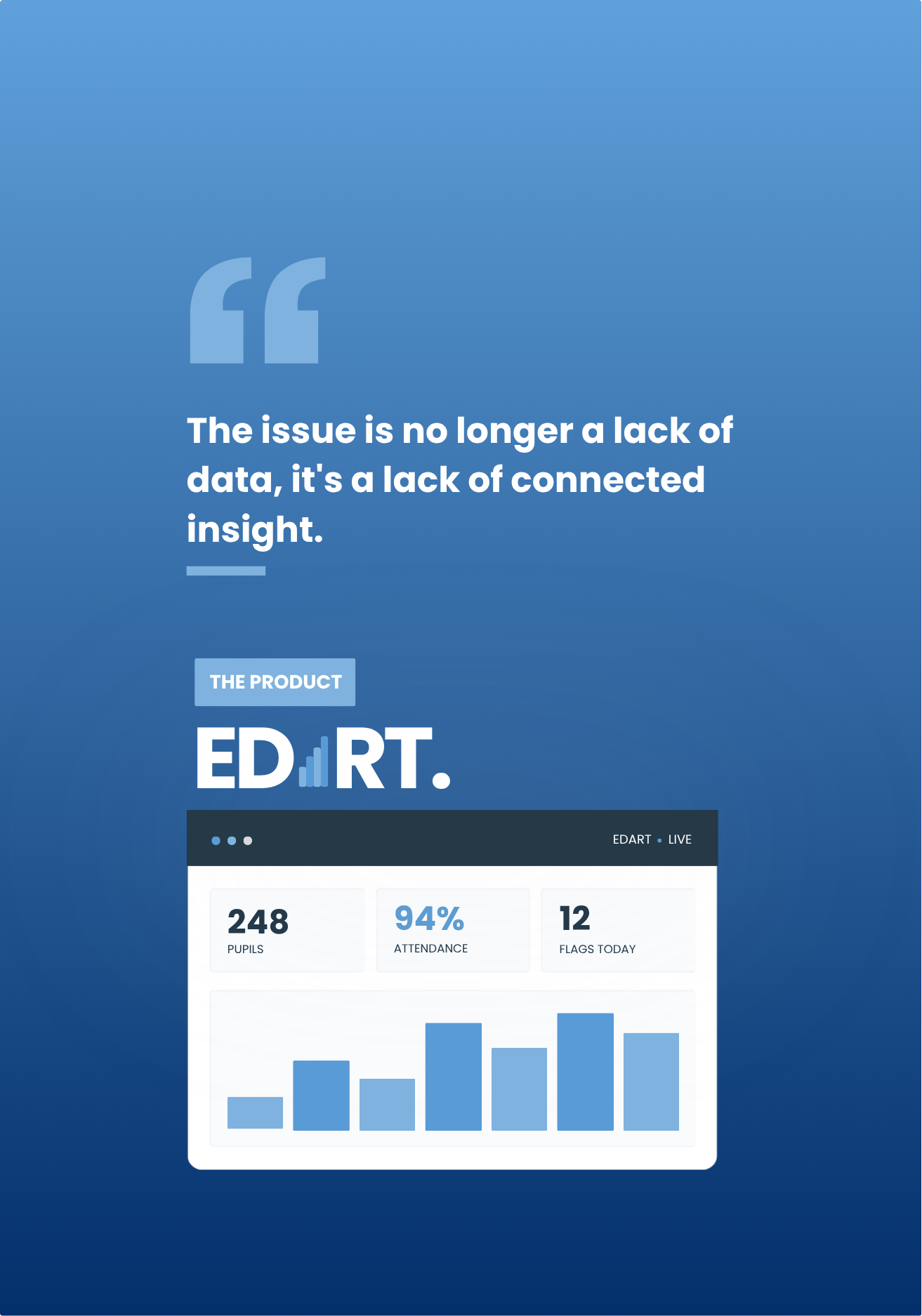
The issue is no longer lack of data, it’s lack of connected insight.
Schools generate a vast amount of information about their pupils every week. The question is whether that information can be brought together quickly enough, and clearly enough, to inform decisions and demonstrate impact.
- The Importance of Evidence-Led Support
As reforms continue to emphasise outcomes and earlier support, the schools that will be best placed are those building genuinely evidence-led practice. That means more than recording what was done; it means being able to show why a particular pathway was chosen, how it was monitored and what changed as a result.
Practically, that calls for systems that help schools:
- Document interventions clearly and consistently across staff
- Track pupil wellbeing, attendance and engagement alongside academic data
- Monitor support pathways from initial concern through to review
- Evidence outcomes in a way that informs future planning
- Improve accountability across SEND, pastoral and safeguarding teams
When this kind of infrastructure is in place, the benefits extend well beyond compliance. Connected systems support proactive intervention, because patterns are visible earlier. They strengthen communication, because staff are working from a shared view rather than competing versions of the truth. They create more consistent learner support, because handovers between staff become smoother. And they leave schools audit-ready by default, rather than scrambling to reconstruct evidence after the fact.
Crucially, they also support strategic decision-making at leadership level. Trusts and senior teams can see where provision is working, where it isn’t and where investment will have the greatest impact informed by their own data, not assumptions.
- A Connected Approach with EDART and Bitnet Solutions
This is the context in which EDART has been developed. Built specifically for the realities of SEND, AP and mainstream environments, EDART helps schools move from disconnected processes to a single, joined-up view of pupil support.
In practice, schools using EDART are able to:
- Centralise intervention tracking across SEND, pastoral and safeguarding teams
- Monitor wellbeing and engagement alongside attainment and attendance
- Support safeguarding and pastoral workflows within the same connected platform
- Improve collaboration between SENDCOs, leaders and wider support staff
- Reduce admin duplication that consumes the capacity of already stretched teams
- Create clearer evidence pathways for SEND support, EHCP reviews and inspections
Bitnet Solutions works with schools as a long-term partner rather than a one-off supplier. The team’s experience across SEND and AP settings means implementation is grounded in the day-to-day realities of school life what SENDCOs actually need on a Tuesday morning, not just what looks good in a strategy document.
The aim is straightforward: help schools future-proof their inclusion strategy with practical tools that staff will genuinely use, and that leaders can confidently rely on when accountability questions arise.
- Looking Ahead: Connected Inclusion as Standard
SEND expectations will continue to evolve. The detail of EHCP reform may shift, inspection emphases will be refined and new inclusion standards will emerge. What is unlikely to change is the underlying direction toward earlier support, stronger evidence, clearer accountability and more joined-up working across the teams around each pupil.
In that environment, standalone tools and isolated spreadsheets will increasingly struggle to keep pace. The schools and trusts best prepared for what comes next will be those that have invested in connected systems systems that support both pupils and the staff working around them, and that turn fragmented data into shared insight.
Raising expectations need not mean raising workload. With the right infrastructure in place, schools can meet a more demanding accountability environment while also creating sustainable, humane working conditions for the people delivering inclusive practice every day.
That is the future EDART and Bitnet Solutions are helping schools build.
About Bitnet Solutions
Bitnet Solutions is an education technology partner supporting SEND, alternative provision and mainstream schools with EDART a connected platform for intervention tracking, wellbeing monitoring, pastoral and safeguarding workflows. To learn more about how EDART can support your school’s inclusion strategy, get in touch with the Bitnet team.